PiscaSeries
Underwater depth cameras
The Pisca series combines AI recognition with underwater 3D vision. Optimized for refraction, scattering and light attenuation underwater, it enables underwater robots to recognize objects, sense distances, reconstruct scenes in 3D and localize in space.
Imaging optimized for underwater conditions
Imaging optimized for underwater refraction, scattering and light attenuation enables 3D reconstruction and distance sensing,
providing high-quality visual data for object recognition, obstacle avoidance and spatial understanding.
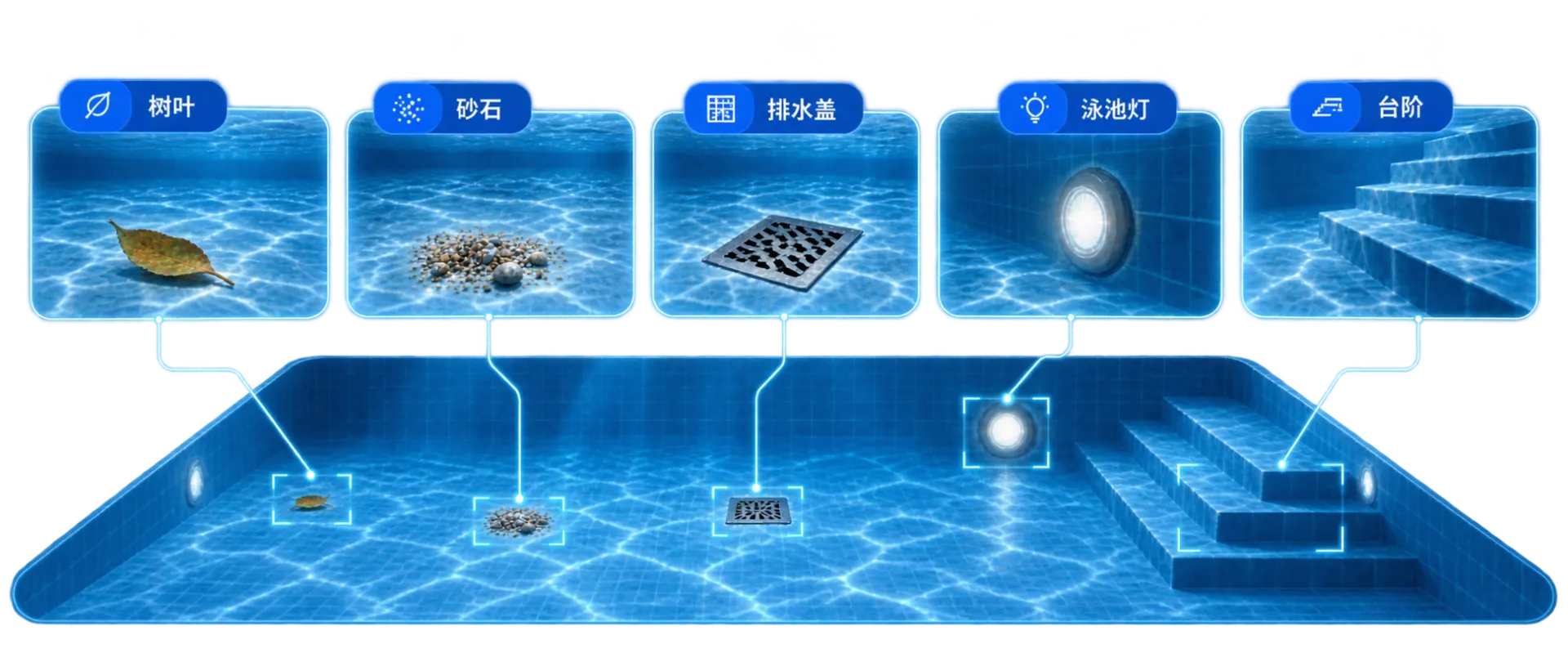
AI recognition of underwater objects
AI models trained on underwater data recognize common objects such as leaves, gravel, drain covers, pool lights and steps, helping robots understand their working environment.
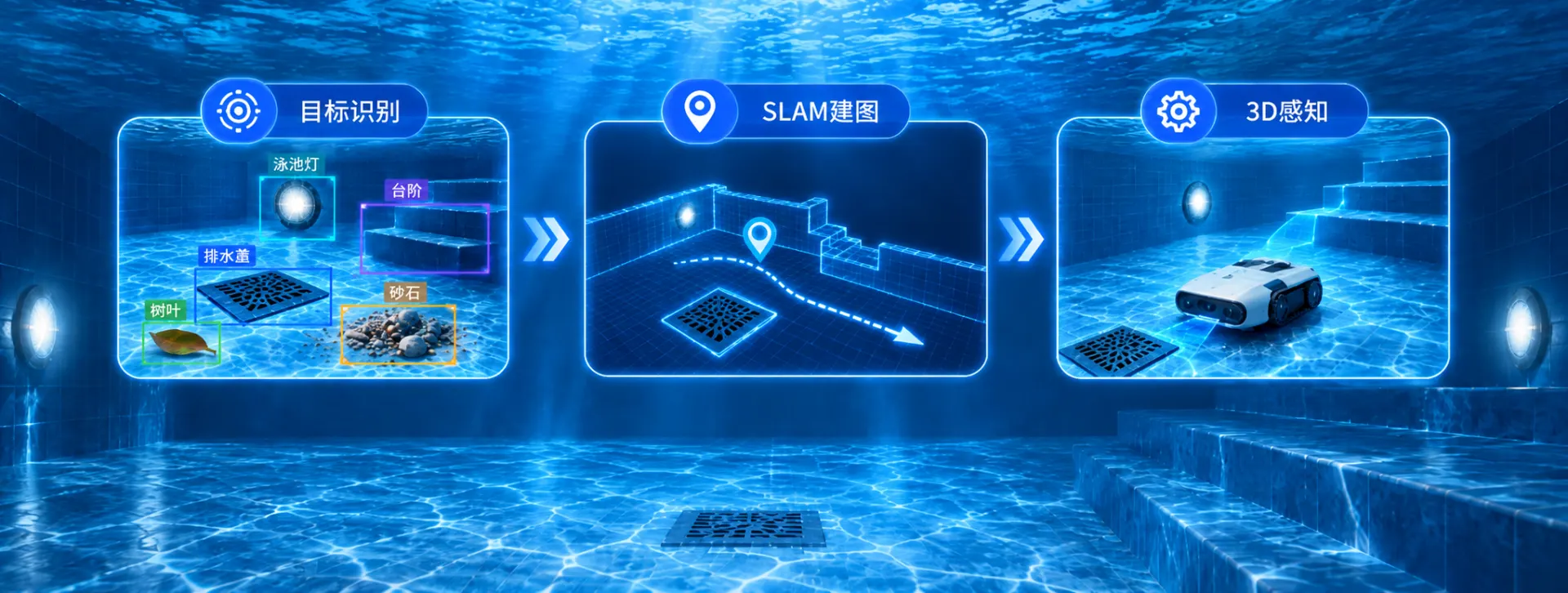
Integrated algorithms for autonomous operation
Object recognition, 3D obstacle avoidance and SLAM algorithms work together to provide underwater perception, from identification to localization and mapping.
Applications
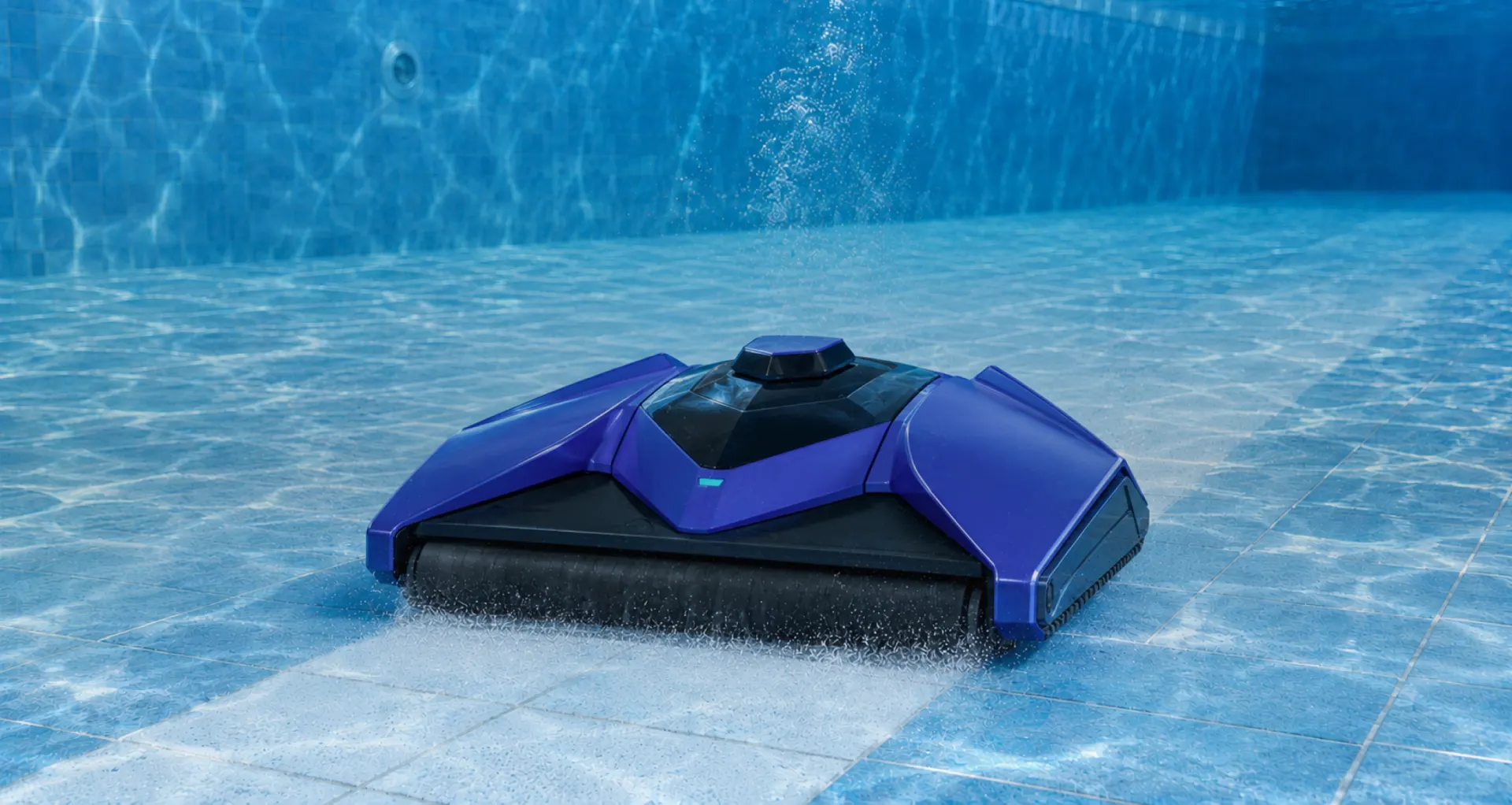
Residential pool-cleaning robots
Pisca Series
Swipe to view all models and specifications
| Model | Pisca 1200 |
|---|---|
| Product image | 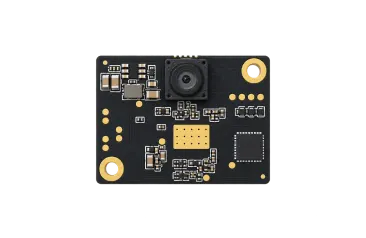 |
| Product type | Underwater monocular AI depth camera |
| Technology | Underwater monocular vision + AI recognition |
| Key capabilities | Underwater imaging, distance estimation and object recognition |
| Applications | Object recognition and obstacle avoidance for underwater robots |
| AI object classes | Leaves, piles of gravel, drain covers, pool lights, steps and ladders |
| AI recognition rate | ≥95% |
| Recognition conditions | Normal lighting, within the field of view and 2 m, in typical clear-water conditions |
| Output data | Detection flag and object center coordinates (x, y, z) |
| Field of view (FOV) | H80° × V63° ±3° @ 50 cm |
| Image resolution / frame rate | 1600 × 1200 @ 5 fps |
| Ambient light range | 3–100,000 lux* |
| Module dimensions | 29.46 × 22.66 × 10.15 mm |
| Average power consumption | <0.6 W |
| Power supply | 5–12 V wide input voltage |
| Interface | UART |
| Operating temperature | 0 °C–40 °C |
| Operating humidity | 0–95%, non-condensing |
| Supported systems | Armv8 Linux / RTOS / bare-metal microcontrollers |
| Processing architecture | Onboard processing; no additional host computing required |