Commercial Robot Solutions
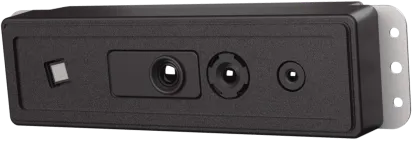
Built on the Aurora 930 depth camera, DEPTRUM provides visual perception for commercial robots. Synchronized and aligned RGB and depth data capture the outline, position and height of objects, supporting space and object recognition, local obstacle avoidance and autonomous movement.
Contact UsThe Challenge
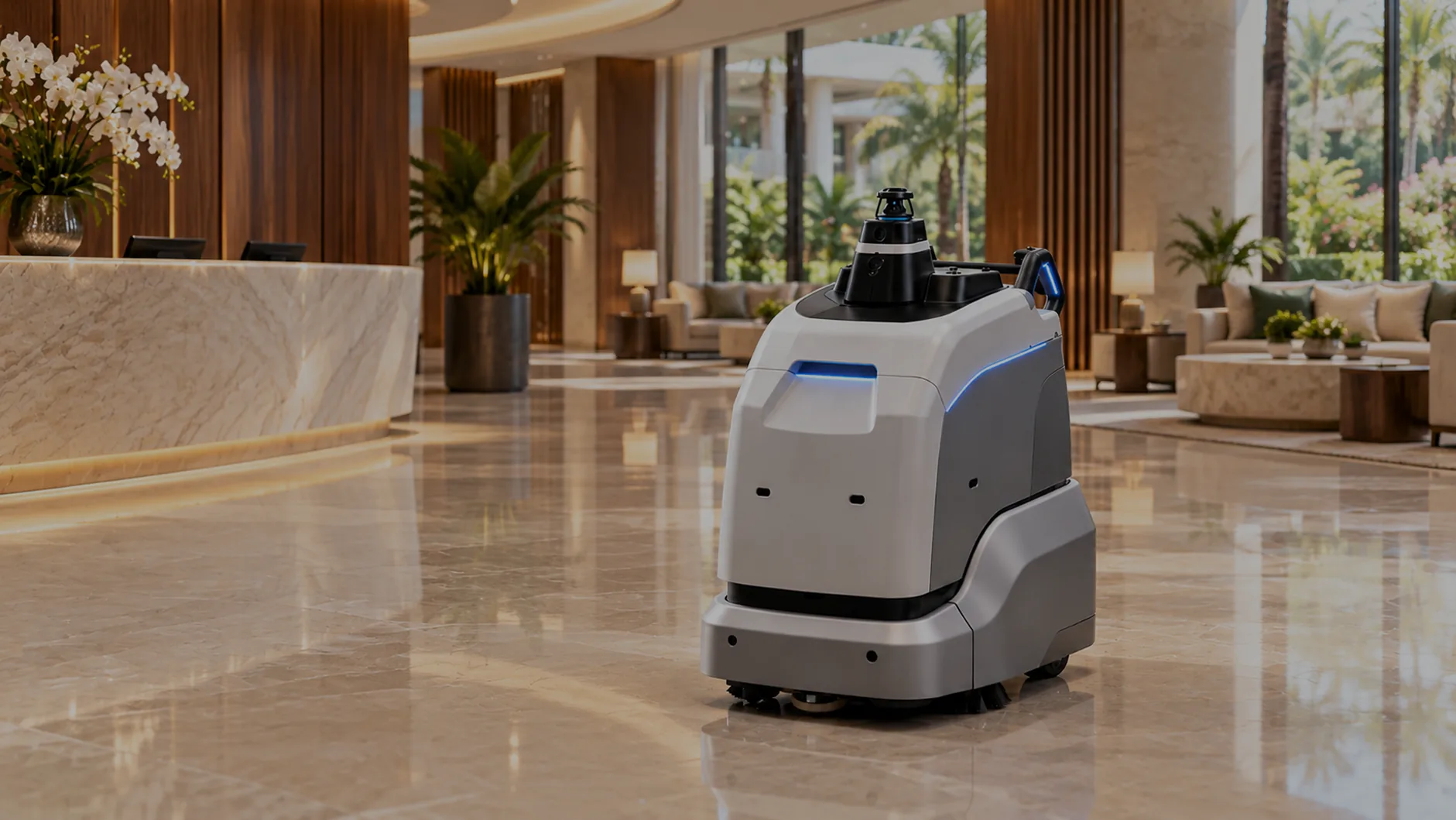
In hotels, hospitals and massage studios, objects sit at very different heights while space and foot traffic keep changing. Single-plane ranging cannot fully describe a passable area, so the robot must capture 3D outlines and distances in real time and combine them with color information for spatial perception, object recognition and obstacle avoidance.
Varied obstacle heights
Table edges, shelves and low bases are hard to capture with a single plane
Narrow passage assessment
Chairs and carts narrow the aisle, so free space must be judged precisely
Moving obstacles
People and objects keep moving, so data has to update in real time
Complex data fusion
Color and depth data that is not synchronized makes fusion development harder

Solution Advantages
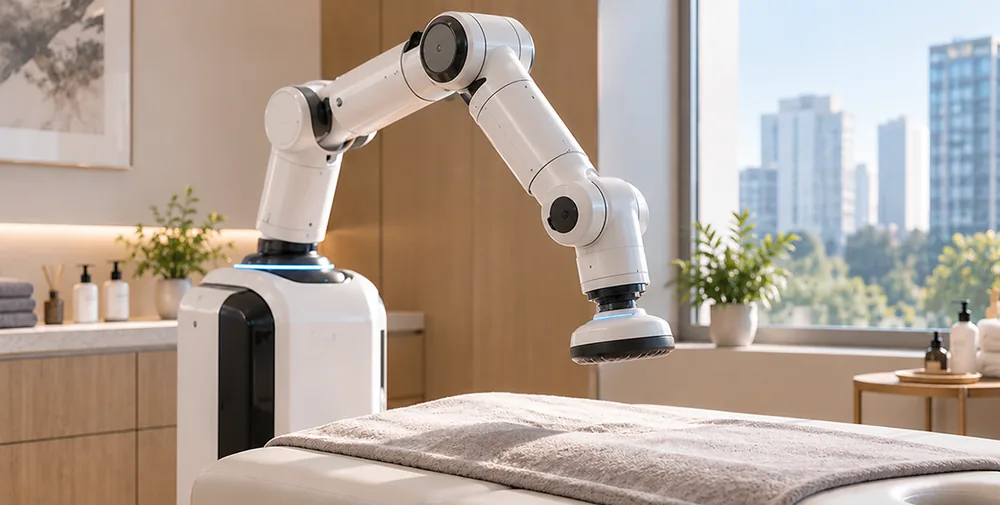
Lightweight depth reconstruction
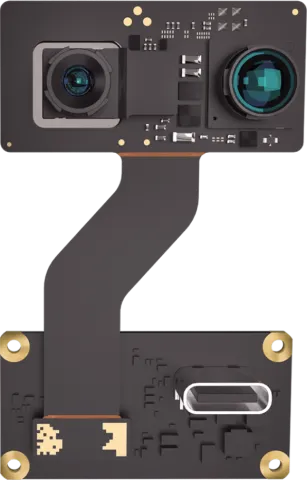
A proprietary projector and sparse monocular structured light deliver depth reconstruction at low compute cost, running in real time on ordinary ARM platforms.
Imaging in challenging light
Structured-light sensing and image processing improve stability in low light and backlight, so the robot keeps receiving reliable data.
Multi-dimensional environment data
Color, infrared and depth images reveal object outlines, distance and height, filling in the structure that single-plane ranging misses.
Flexible compute options
Choose host-side algorithm deployment or a dedicated depth-computing chip to balance compute, development approach and cost, with support for custom algorithms.
Application Cases
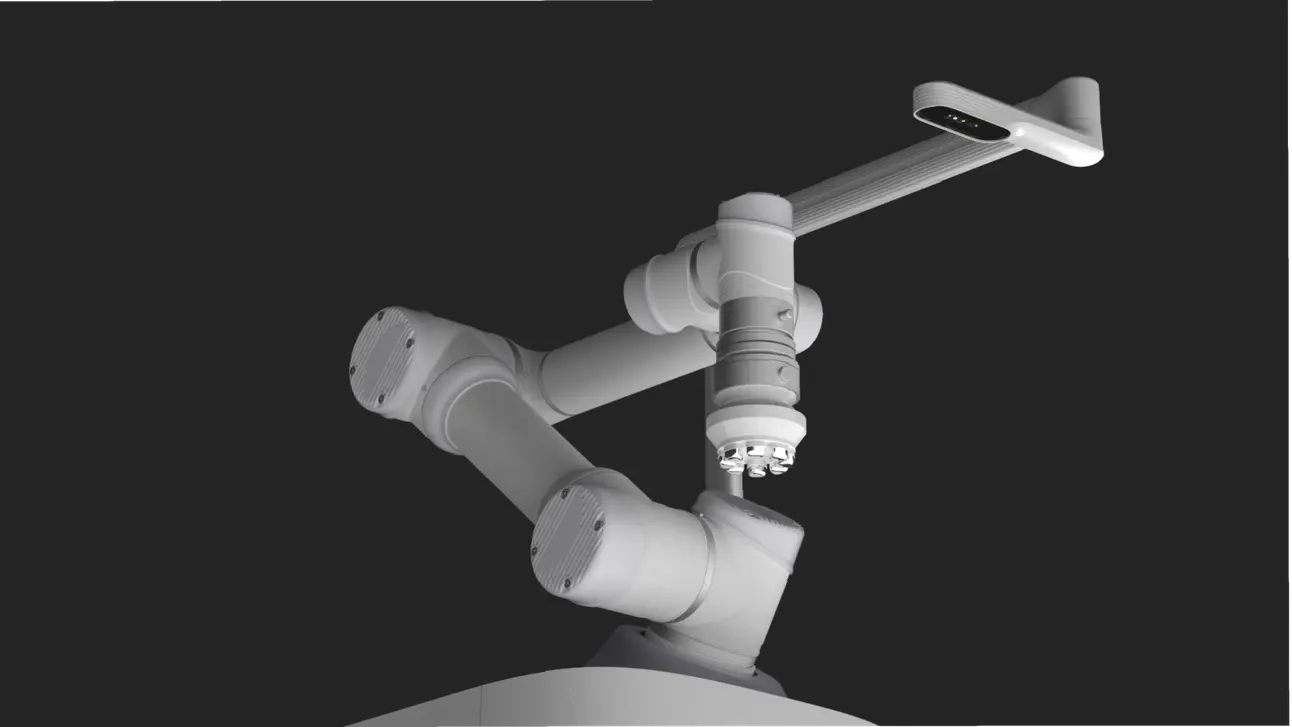
StormRobot
Commercial service robots gain 3D perception for passage assessment and autonomous movement
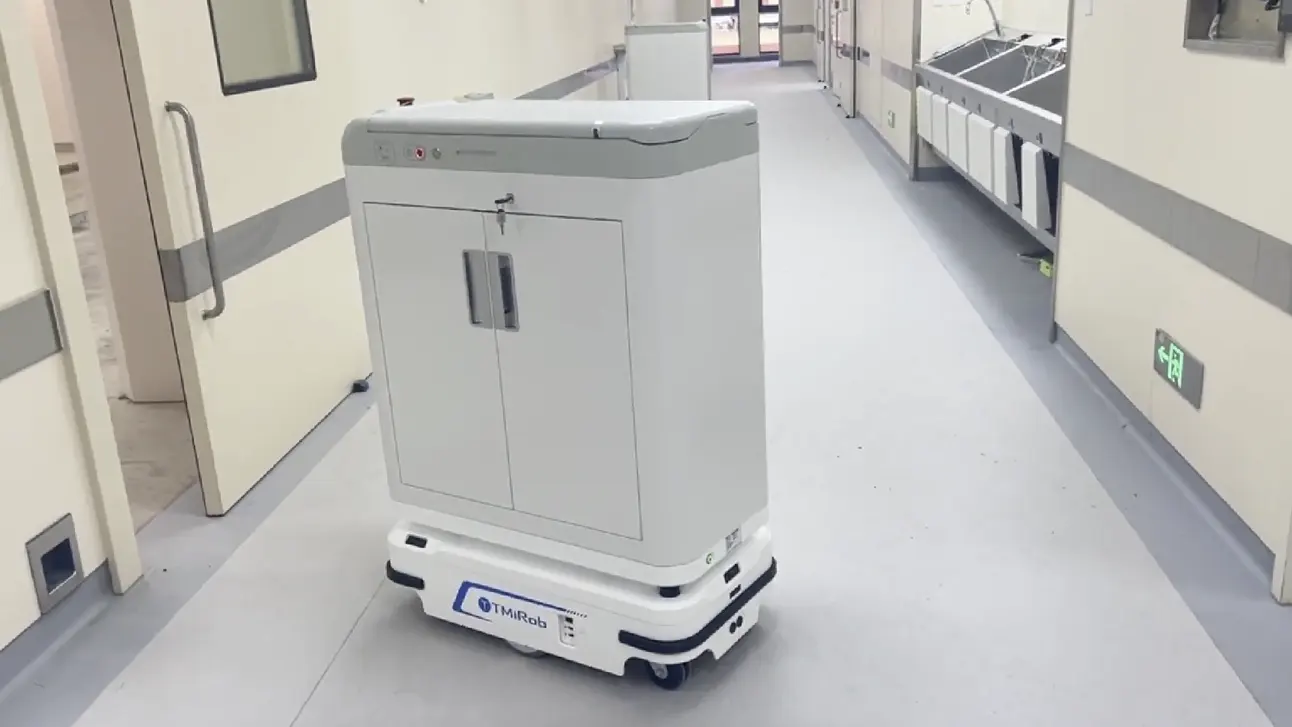
TMi
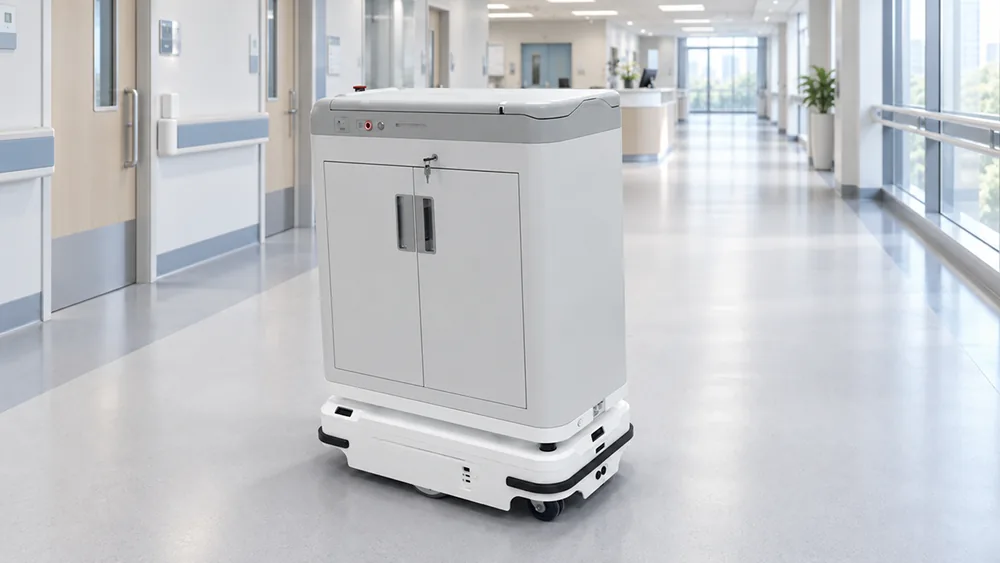
Medical service robots achieve in-hospital autonomous navigation and obstacle avoidance with depth vision
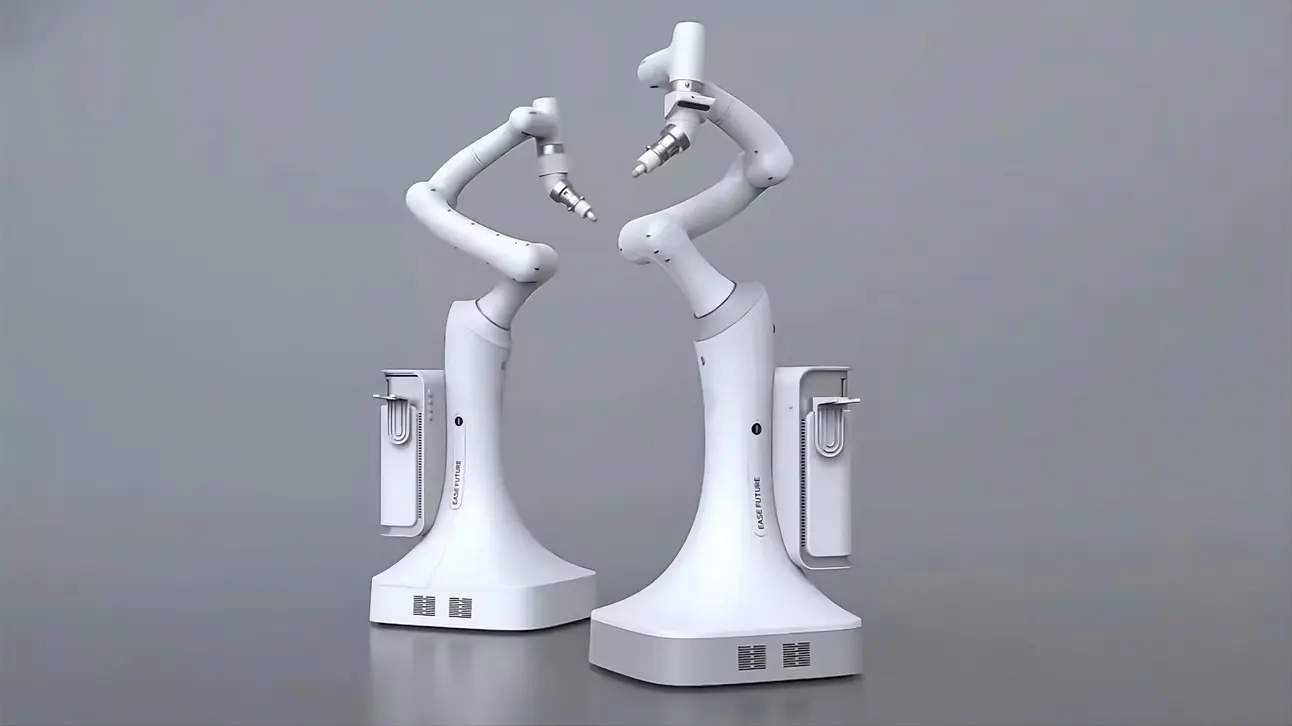
Yiqi Weilai
A 3D vision solution for commercial robots that supports dynamic environment perception and path planning
FAQ
Structured light or ToF: how do I choose?
Selection should weigh working range, accuracy, ambient light, field of view and the space available inside the robot. Structured light suits indoor short-to-medium range perception, while ToF models cover different distances and lighting conditions. Outdoor deployments also require checking target distance, reflectivity and measured performance.
Which operating systems and ROS versions are supported?
The Aurora 930 supports Linux, Windows, Android and ROS/ROS2, and is compatible with ARMv8. Exact OS versions, ROS distributions and driver support depend on the hardware and SDK version selected.
Do multiple cameras interfere with each other?
Active-projection cameras can experience optical interference when their fields of view overlap. Multi-camera setups require design work on count, layout and timing, plus validation of depth, synchronization, bandwidth and power.
What is the laser safety class of the Aurora 930?
The Aurora 930 is Class 1 laser safe. Integration must preserve the specified optical structure, operating parameters and usage conditions, and installation should follow the corresponding product documentation.
Related solutions
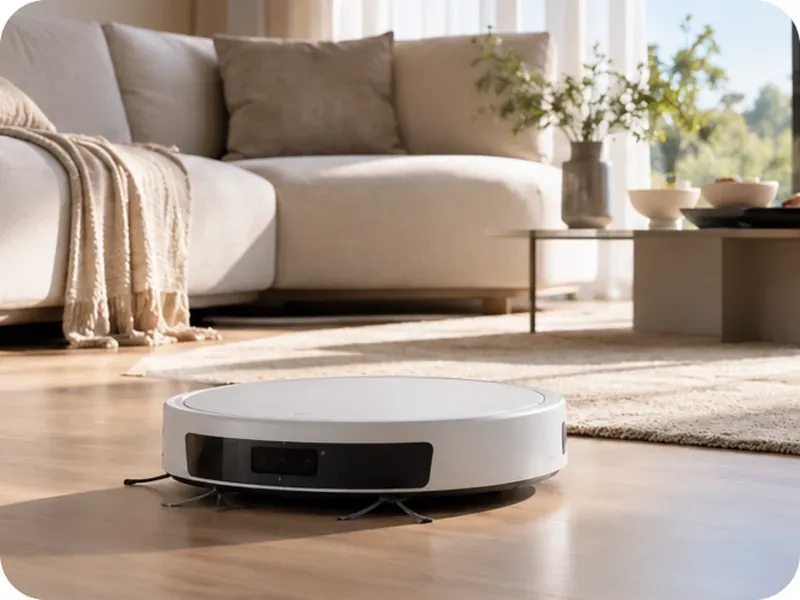
Robot Vacuums
Near-field avoidance and far-field mapping in one, fitting low-clearance bodies and autonomous cleaning in complex homes
Learn more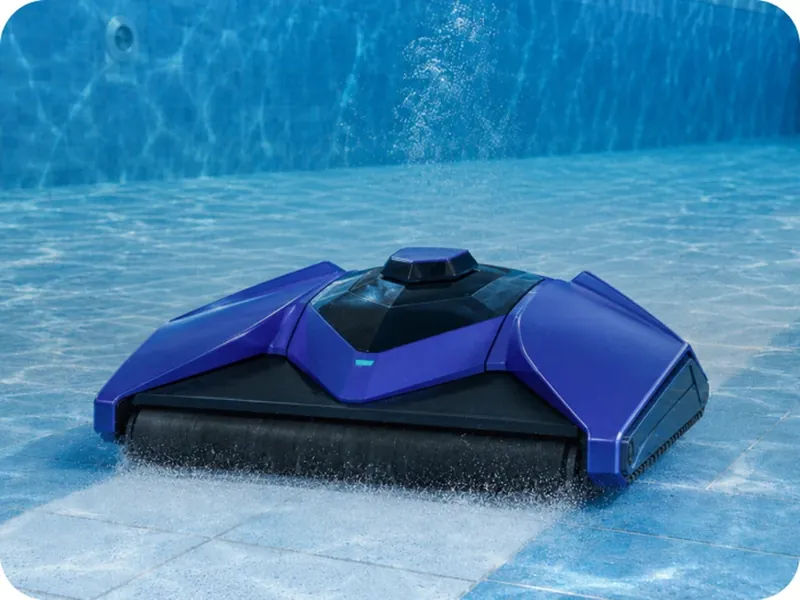
Pool Robots
Underwater target recognition and 3D spatial perception for obstacle assessment, localization, mapping and planned cleaning
Learn more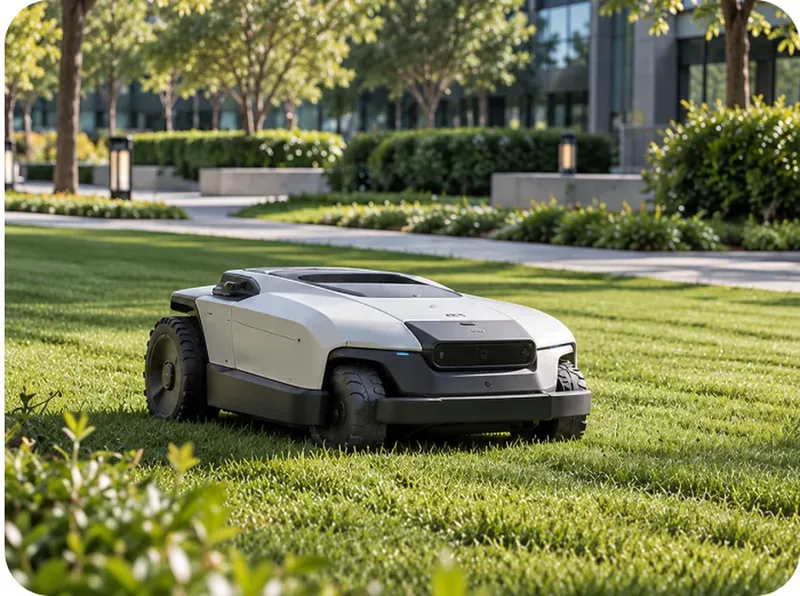
Robot Mowers
Senses low near-field obstacles on the lawn and provides visual localization data for autonomous mowing and avoidance
Learn more