Pool Robot Solutions
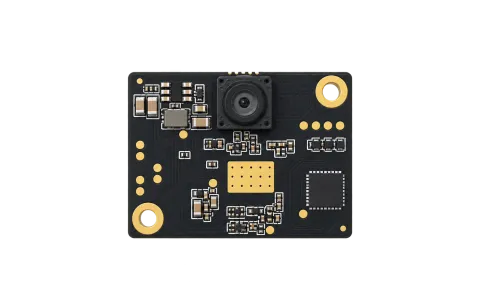
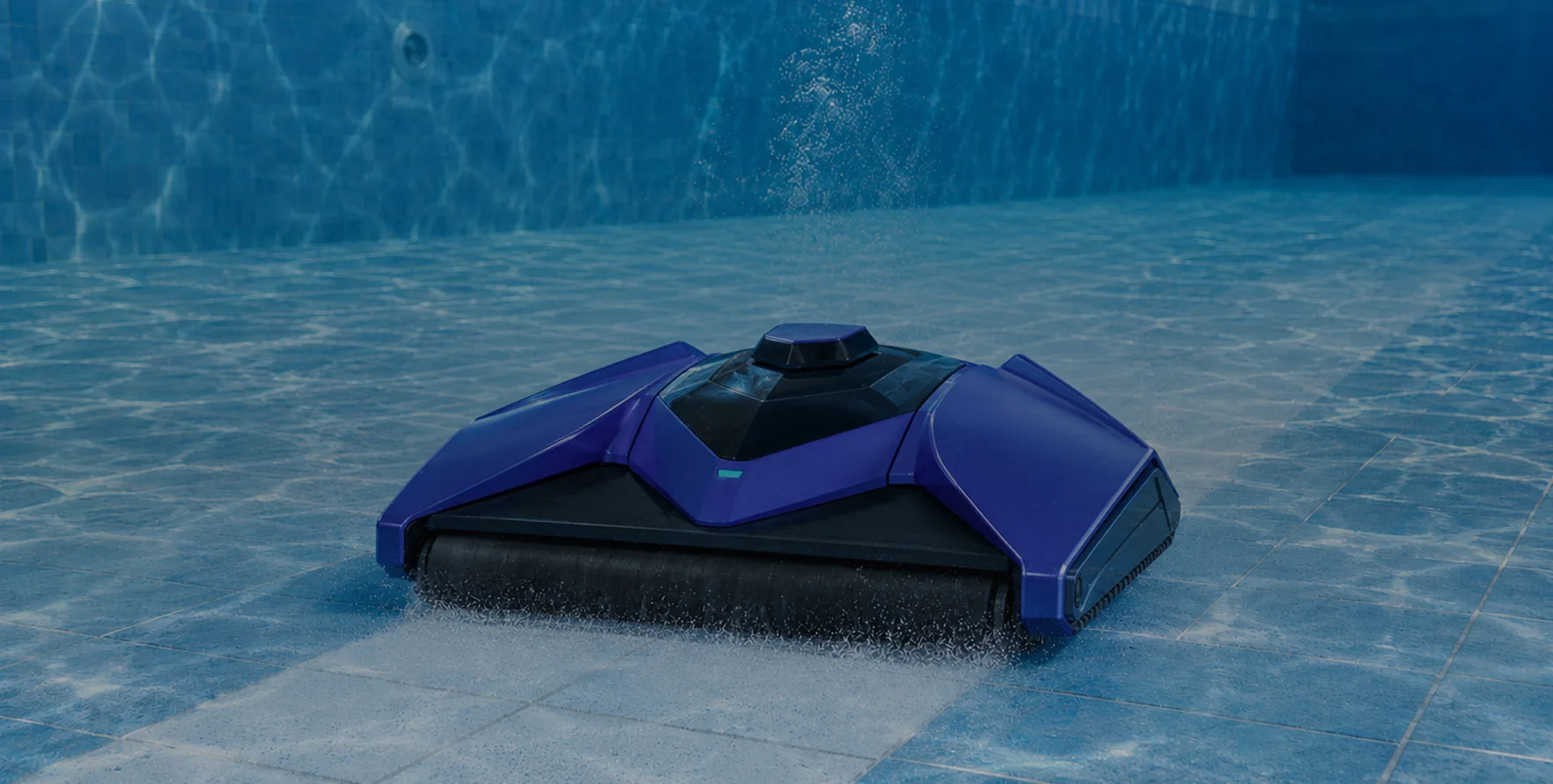
DEPTRUM provides a vision solution for pool robots that addresses underwater refraction, scattering and light attenuation. Pisca 1200 supports target recognition and distance estimation, while Pisca 2000 adds 3D reconstruction, area-array point-cloud obstacle avoidance and mapping, informing cleaning-target distinction, obstacle detection and path planning, with on-module computing offloading the main controller.
Contact UsThe Challenge
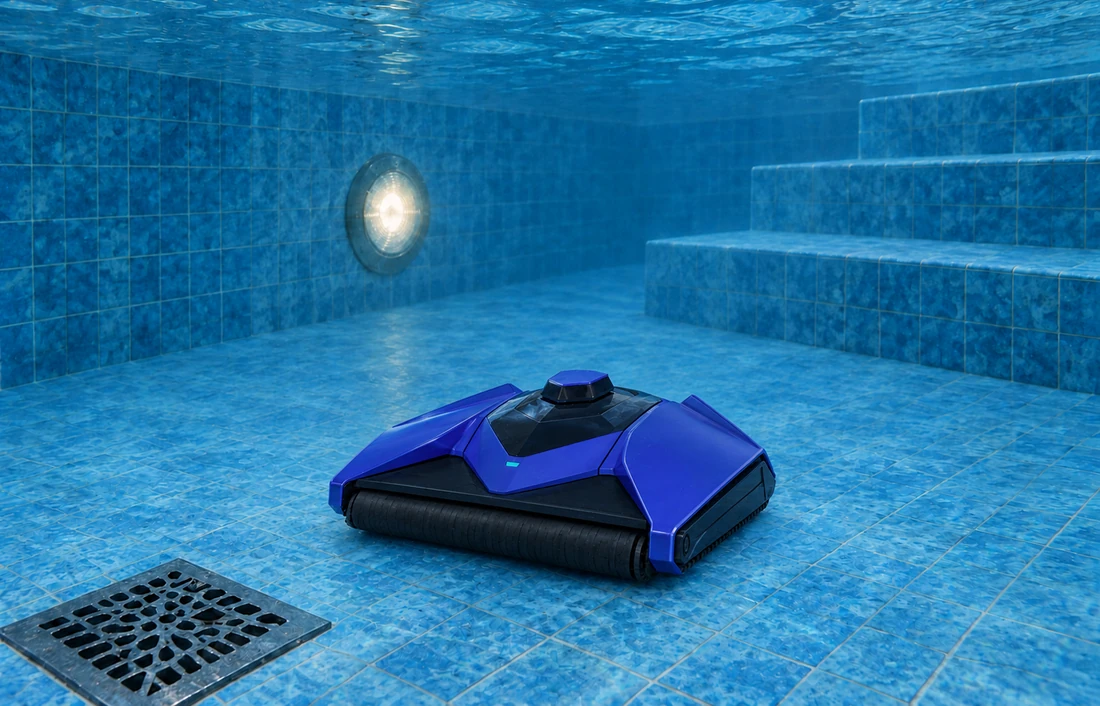
Refraction, scattering and light attenuation make underwater imaging and distance judgement harder. A pool robot must separate cleaning targets from fixed fixtures, understand the pool structure and plan a cleaning path, all within limited battery capacity, body space and host compute.
Underwater imaging disturbance
Refraction, scattering and attenuation affect imaging and distance judgement
Mixed target types
Cleaning targets and pool fixtures coexist and must be told apart
Varying pool geometry
Walls, slopes and steps differ, complicating mapping
Limited on-board resources
Runtime, space and compute are constrained, so vision processing is a heavy load
Solution Architecture

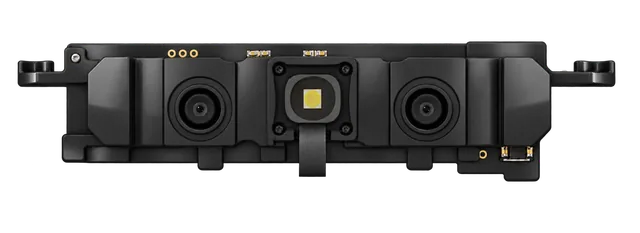
User ScenarioOptical Hardware3D Algorithm SDKApplication SDKPool Cleaning RobotUnderwater cleaningApplication NeedsSLAM · avoidance · cleaningStereo Global-Shutter CamerasRGB · global shutterFill LightAdaptive illumination6-Axis IMUHardware-Synced Stereo DataIMU-Aligned DataStereo 3D ReconstructionObstacle depth mapRefraction and attenuation correctionSimplex SLAM3D mapping and positioningStereo features · point clouds · IMUDebris & Obstacle DetectionLeaves · gravel · drain coversand stepsCustomer SDK IntegrationCleaning and navigation decisionsFill Light6-Axis IMU DataPoint CloudPoint CloudFunction DeliveryTriggerStereo RGB ImagesData Flow* Architecture illustrated with Pisca 2000 Simplex SLAM: DEPTRUM stereo VSLAM
Solution Advantages
Underwater target recognition
AI recognition underwater separates cleaning targets from pool fixtures; combined with distance data it supports approaching targets and avoiding obstacles.
Underwater 3D mapping
Stereo depth reconstruction captures walls, steps and other structures, and SLAM provides the mapping and localization that cleaning plans rely on.
Multi-source fused localization
Point cloud, IMU and optical flow observations are fused per configuration, supporting localization where structural features are scarce or observation is limited.
Clear product split
The Pisca 1200 focuses on monocular AI recognition; the 2000 adds stereo 3D perception and built-in SLAM, so the model follows the robot's task.
Computing inside the module
The module handles AI recognition, depth reconstruction or SLAM compute, reducing deployment work on the host and simplifying integration across product tiers.
FAQ
Can it recognize targets in murky water or at night?
Rated recognition performance assumes normal lighting, targets within the field of view and typical pool water quality within 1.5 m. Turbidity, algae, reflections and changing illumination all affect imaging, so murky-water or night-time use should be evaluated against water quality, illumination setup and target distance.
Does the host need to run the vision algorithms?
The Pisca 1200 can run its target recognition tasks inside the module, and the Pisca 2000 can handle the corresponding 3D perception and SLAM compute. The host still receives the perception results and performs avoidance decisions, path planning and task control.
Does the solution support underwater SLAM?
The Pisca 2000 supports underwater 3D mapping and localization for cleaning tasks that need spatial information. The Pisca 1200 focuses on image capture, distance estimation and target recognition. How map and trajectory data are exposed depends on the interface protocol configuration.
What data can the camera output?
Depending on the model, it can provide detection flags and target coordinates; the Pisca 2000 also supports RGBD reconstruction and 3D localization capabilities. The exact data, format, output rate and interface follow the protocol and software configuration of each model.
How do I choose between the Pisca 1200 and Pisca 2000?
Choose the Pisca 1200 for target recognition, distance estimation and low-power integration; choose the Pisca 2000 when 3D reconstruction, localization and mapping are needed. Selection should also account for mounting space, power, interfaces and the operating environment.
Related solutions
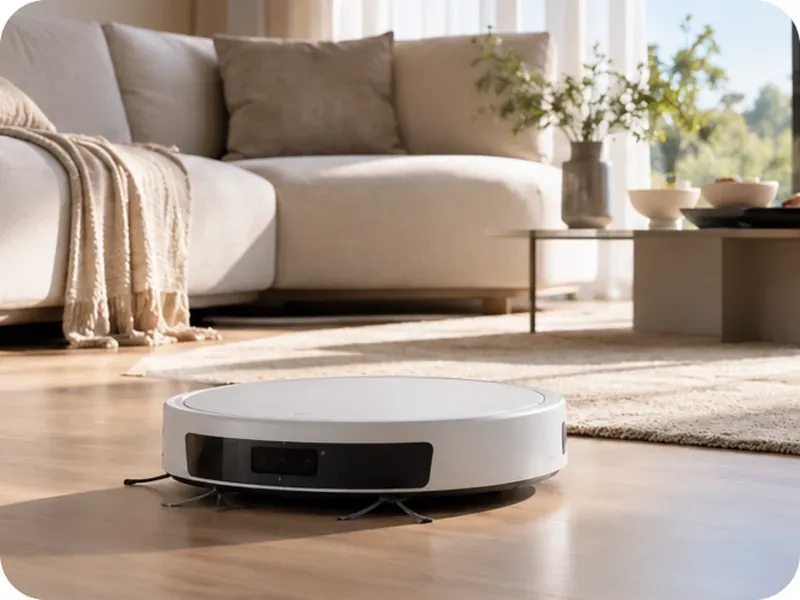
Robot Vacuums
Near-field avoidance and far-field mapping in one, fitting low-clearance bodies and autonomous cleaning in complex homes
Learn more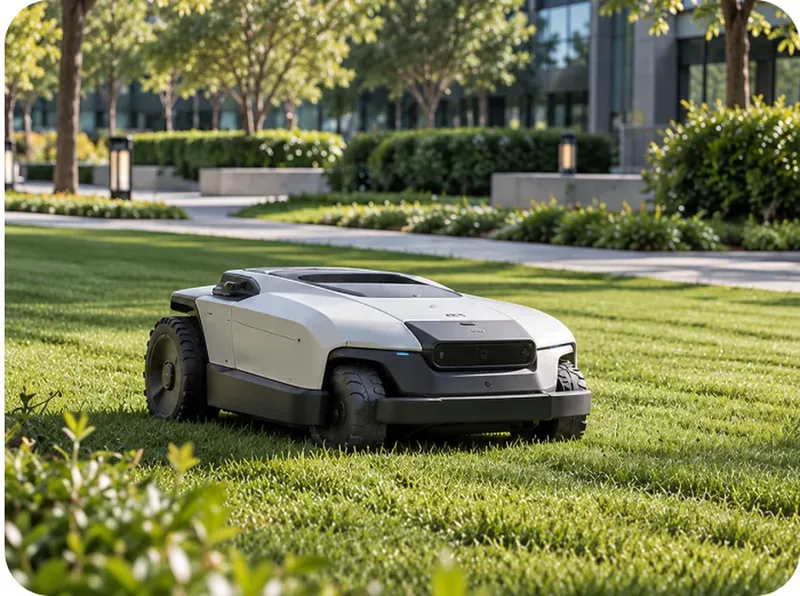
Robot Mowers
Senses low near-field obstacles on the lawn and provides visual localization data for autonomous mowing and avoidance
Learn more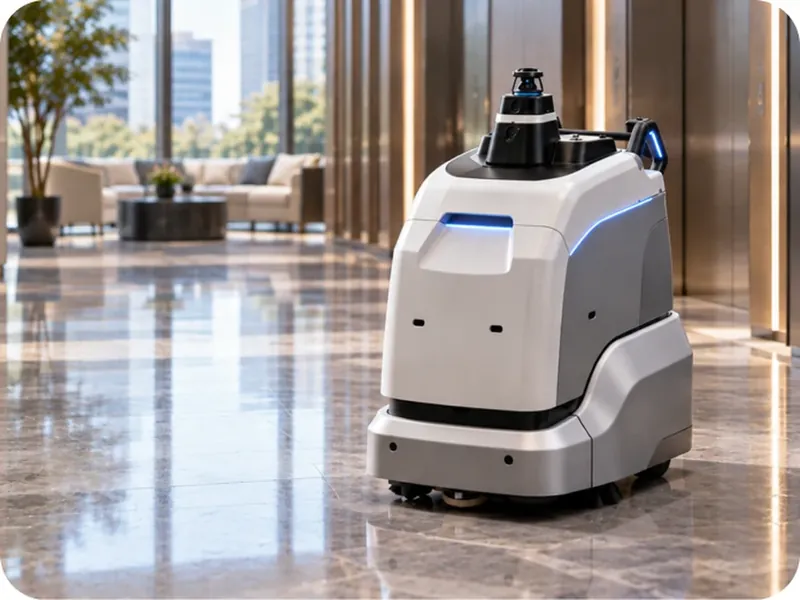
Commercial Service Robots
3D information about the environment and obstacles for autonomous movement and avoidance in delivery and cleaning robots
Learn more