Robot Vacuum Solutions
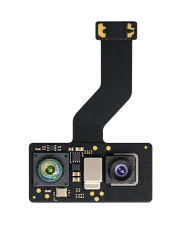
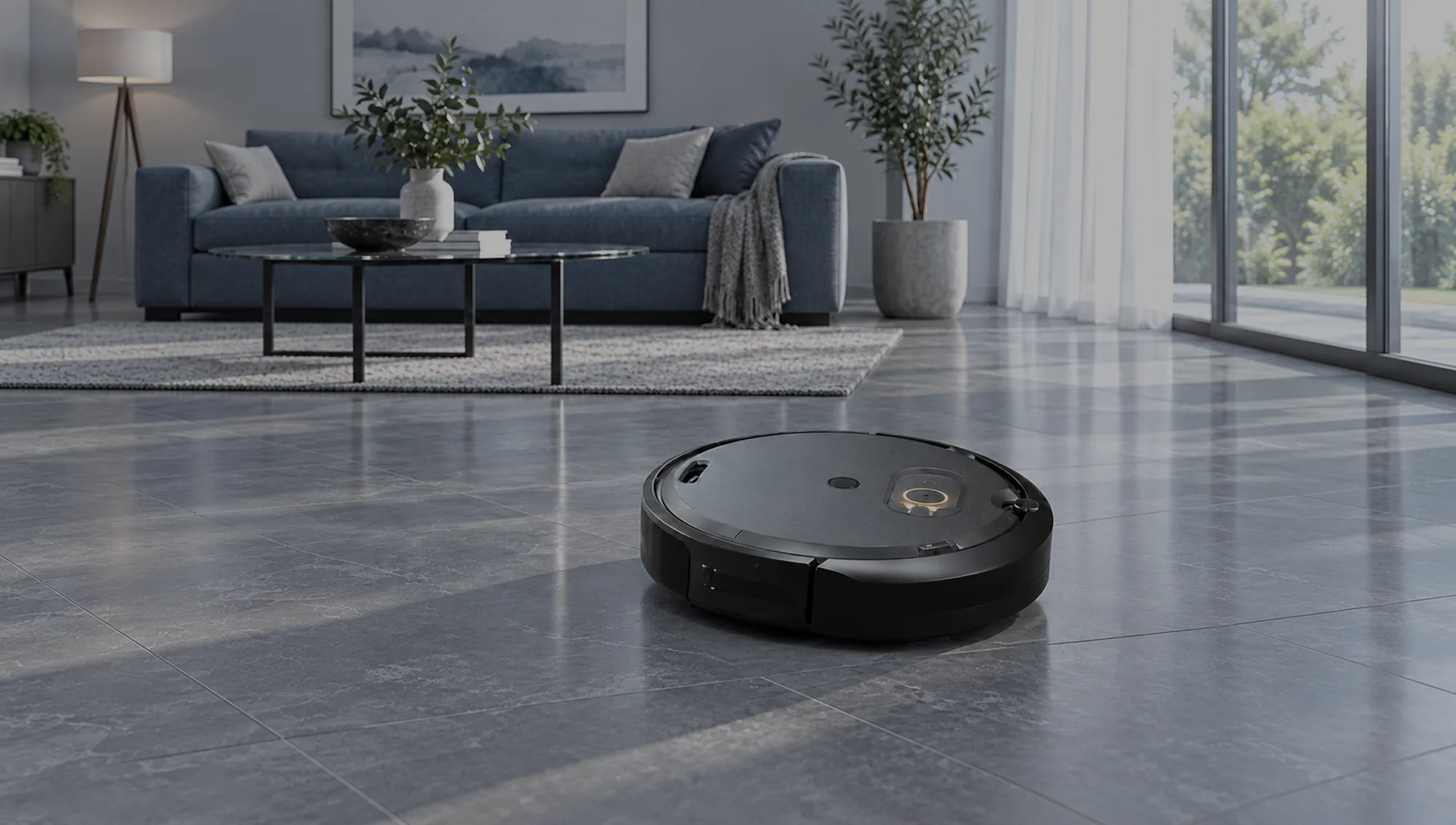
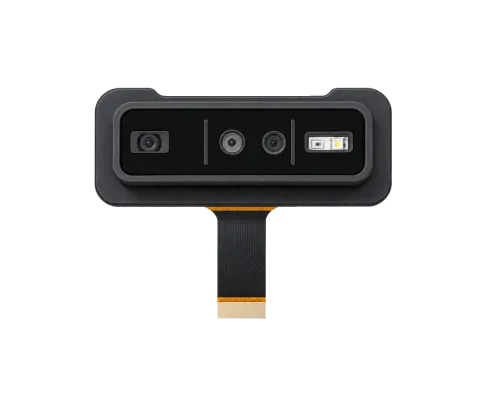
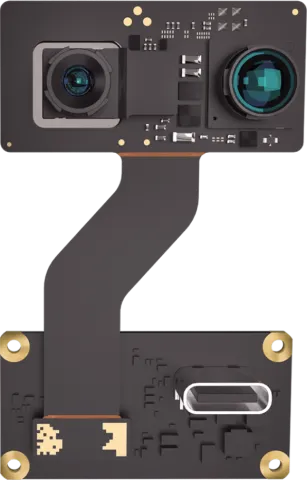
Built on the Nebula depth camera, DEPTRUM combines structured light and ToF for coordinated near- and far-field perception. With 3D SLAM and obstacle recognition, it supports robot localization, mapping and navigation, while multi-modal analysis of speckle, flood IR and depth data enables liquid-stain detection. A compact embedded design fits low-clearance bodies, helping robots reach under furniture and expand cleaning coverage.
Contact UsThe Challenge
Home cleaning demands that a robot both fits under low furniture and recognizes small near-field obstacles, while also localizing and mapping at room scale. Body space, sensing range and low light all impose limits, so the design has to balance a compact layout, near and far coverage and continuous perception.
Limited body height
A top-mounted navigation sensor adds height and limits cleaning under furniture
Small obstacles are hard to sense
Slippers and toys are only partly outlined, raising the risk of collisions
Near and far in one system
Near-field avoidance and mapping run together with different range requirements
Unstable perception in low light
Under furniture and at night there is too little light for localization and avoidance
AI without RGB
AI recognition still works when RGB is removed
Solution Architecture

User ScenarioOptical Hardware3D Algorithm SDKApplication SDKHome Vacuum RobotLow-mounted forward view · 5–7 cmApplication NeedsAvoidance · navigation · stain detectionTransmitter TXSpeckle + uniform LEDReceiver RXiToF SensorModulated Speckle Image248×180 @10 fpsUniform Infrared ImageIR flood imagesToF Obstacle AvoidanceDepth: 3–120 cmmToF SLAMPoint cloud ≥ 12 mSelf-CalibrationCompensates deformationObstacle SegmentationsToF point cloudHypercube SLAM3D mapping and positioningmToF point cloud · IMU · odometryStain RecognitionSpeckle · IR · point cloudCustomer SDK IntegrationApplication integrationReflected SignalObstacle Point CloudSLAM Point CloudObstacle Point CloudSpeckle ImageInfrared ImageFunction DeliveryData Flow* HyperCube: DEPTRUM point-cloud 3D SLAM sToF: structured light + ToF fusion mToF: modulated ToF
Recommended Products
Solution Advantages
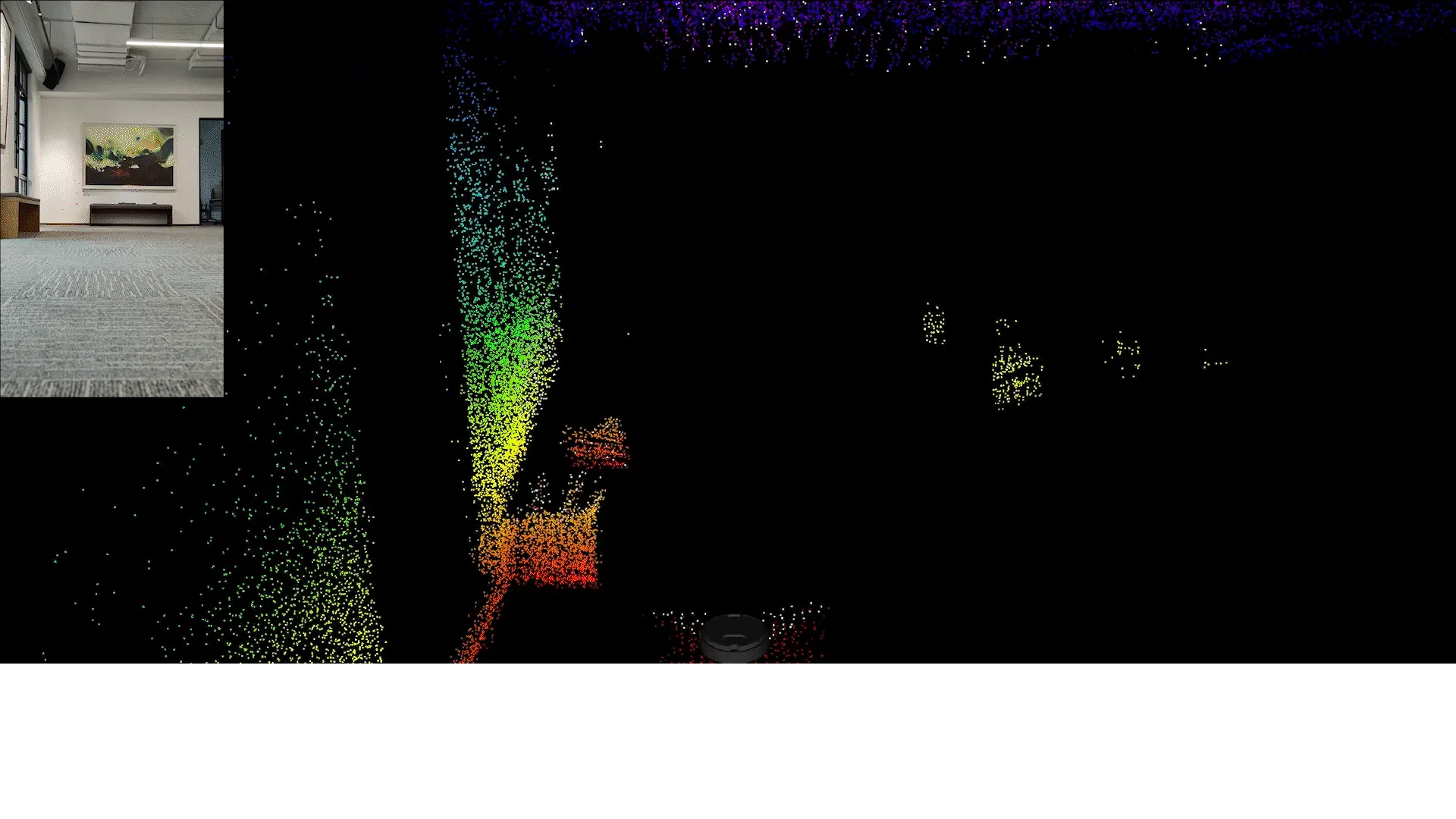
Mapping and avoidance in one
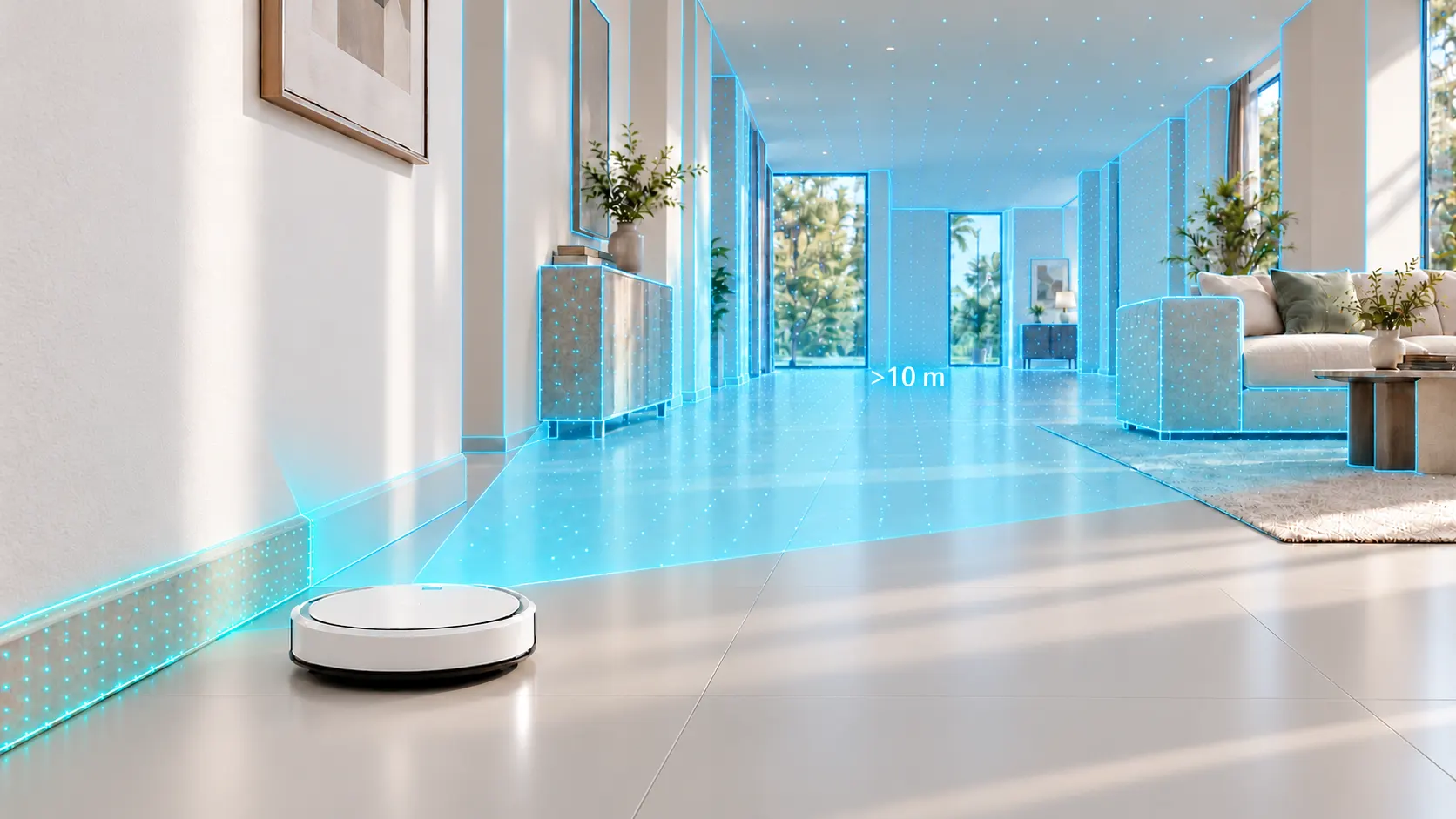
sToF and mToF are fused to cover far-field mapping and near-field avoidance, reducing the need to stack sensors such as LDS and simplifying the robot's structure.
Continuous perception in low light
Active projection provides depth with less dependence on ambient light, supporting localization and avoidance in dark areas such as with the lights off or under a bed.
Sensing small obstacles
Near-field small objects and the 3D floor contour give a geometric basis for judging where the robot can pass, reducing reliance on RGB-only detection.
Proprietary core components
Built on DEPTRUM's own WFP nanophotonic chip and projection, the module supports different light-field configurations per task to balance performance and cost.
Low power, lightweight deployment
Low-power modules and lightweight depth computing reduce the load on the robot, leaving more compute and battery for cleaning control, interaction and other applications.
Support for multiple form factors
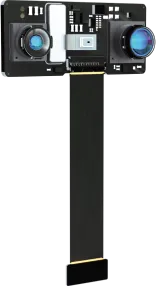
The Nebula 241/280/410 and related interface configurations fit different robot layouts, with validation support through to mass production.
One sensor, multiple imaging modes, richer cleaning features
99% detection and 1% false-positive rate on liquid stains; even without RGB, the infrared flood 2D image still feeds AI recognition.
Application Cases
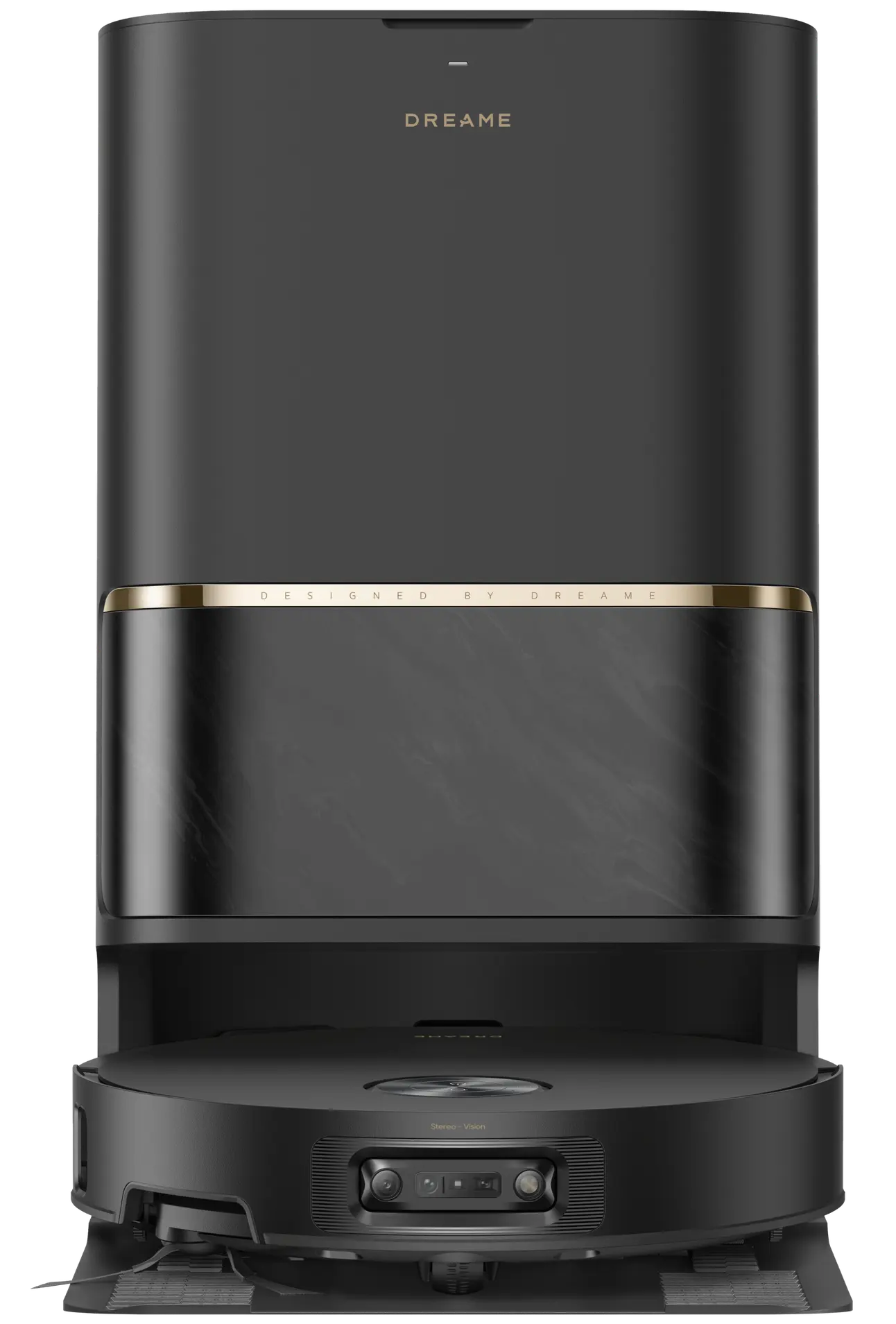
Dreame
The Dreame L60 Ultra uses a single-ToF vision solution with the Nebula 280, replacing a conventional LDS for avoidance and mapping
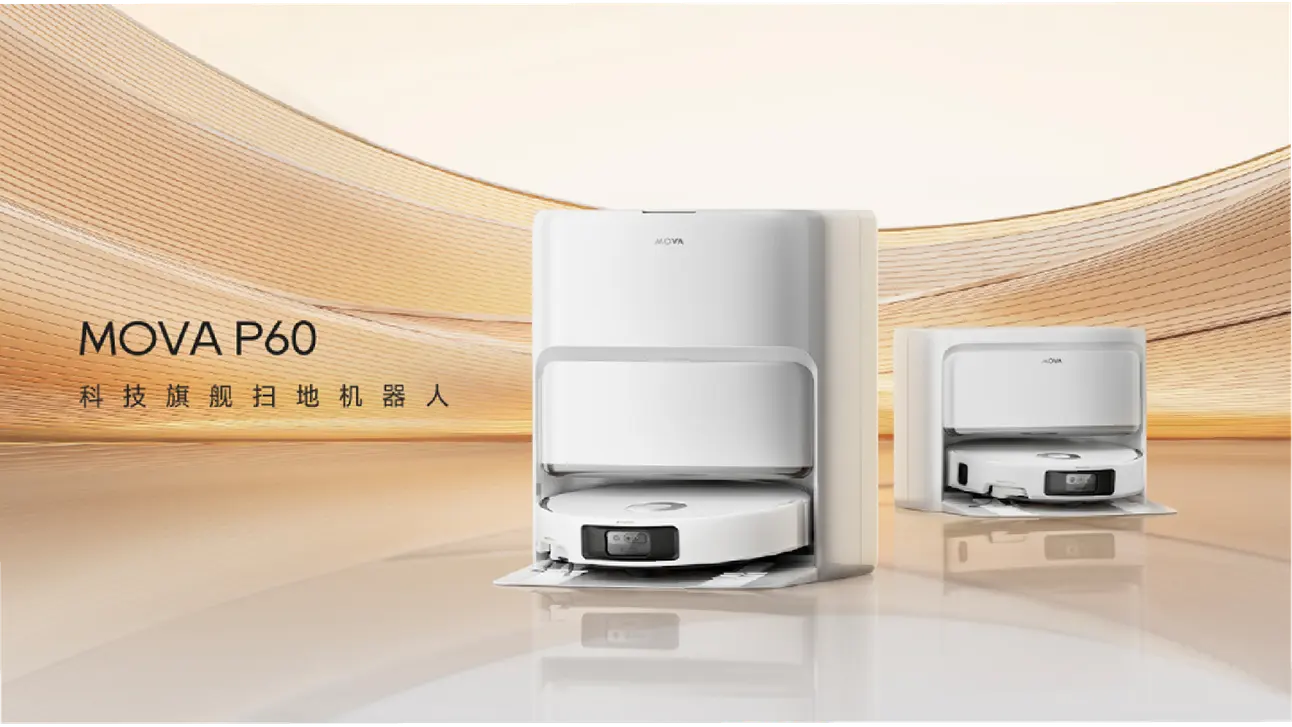
MOVA
A smart cleaning robot with a DEPTRUM depth camera performs near-field avoidance and room mapping
FAQ
Can a single-ToF vision solution replace LDS for localization and mapping?
The Dreame L60 Ultra already uses a single-ToF vision solution with the Nebula 280 — avoidance plus 3D SLAM — in place of a conventional LDS LiDAR. Other robots adopting a similar architecture need adaptation and validation covering camera placement, host performance and the cleaning environment.
How are the perception and SLAM algorithms delivered and run?
The algorithms integrate with the robot's host through the SDK and handle depth processing, obstacle perception or localization and mapping. The point cloud SDK outputs point clouds and images for avoidance and SLAM, while the SLAM SDK outputs a real-time map and pose. How compute is split between camera and host, and which algorithm modules are in scope, depend on the product model and project configuration.
Which host platforms does the solution support?
Adaptation requires checking the host architecture, operating system, camera interface, target frame rate and available compute. Provide the host model and task requirements during selection and the technical team will assess drivers, SDK and algorithm deployment. A typical 4-core 1.5 GHz CPU is expected to handle robot avoidance and navigation; the point cloud SDK uses about 0.6× A55 @ 1.6 GHz with roughly 30 MB of storage, the SLAM SDK about 0.5× A55 @ 1.6 GHz with under 50 MB of memory at 200 m², and stain detection takes about 25 ms per frame on a 1.5 TOPS platform.
How low can the robot be with this solution?
The Nebula 280 module measures 34.5 × 15.35 × 8.35 mm, and the Dreame L60 Ultra case achieves an 8.2 cm body height. Actual height also depends on the wheels, battery, air duct and structural layout, and should be settled together with the mechanical design.
Related solutions
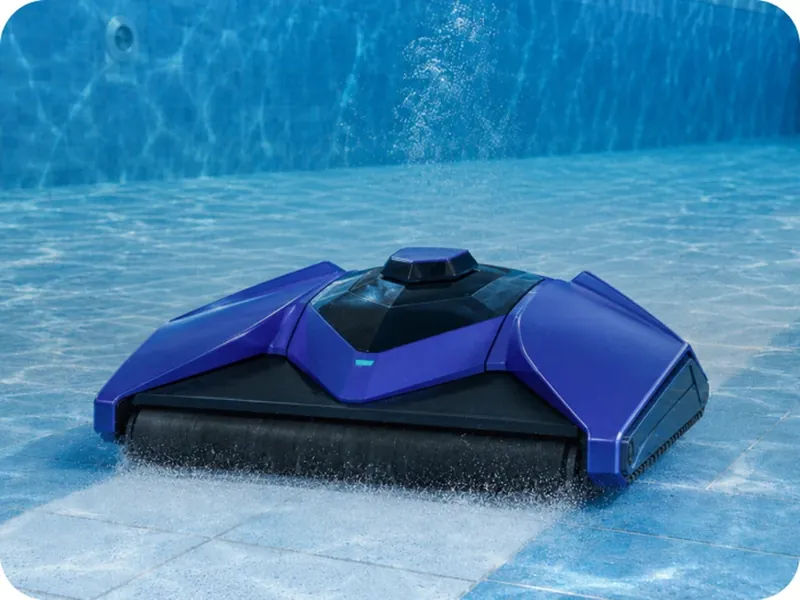
Pool Robots
Underwater target recognition and 3D spatial perception for obstacle assessment, localization, mapping and planned cleaning
Learn more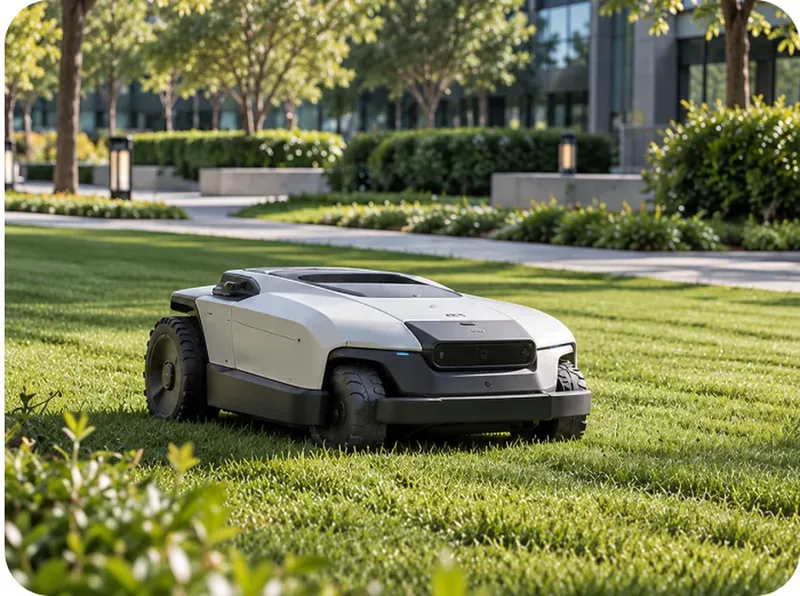
Robot Mowers
Senses low near-field obstacles on the lawn and provides visual localization data for autonomous mowing and avoidance
Learn more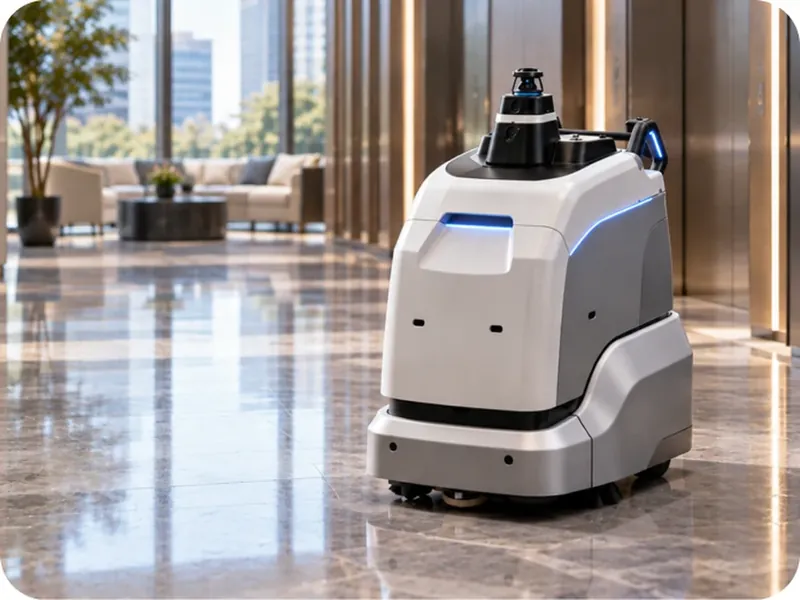
Commercial Service Robots
3D information about the environment and obstacles for autonomous movement and avoidance in delivery and cleaning robots
Learn more