
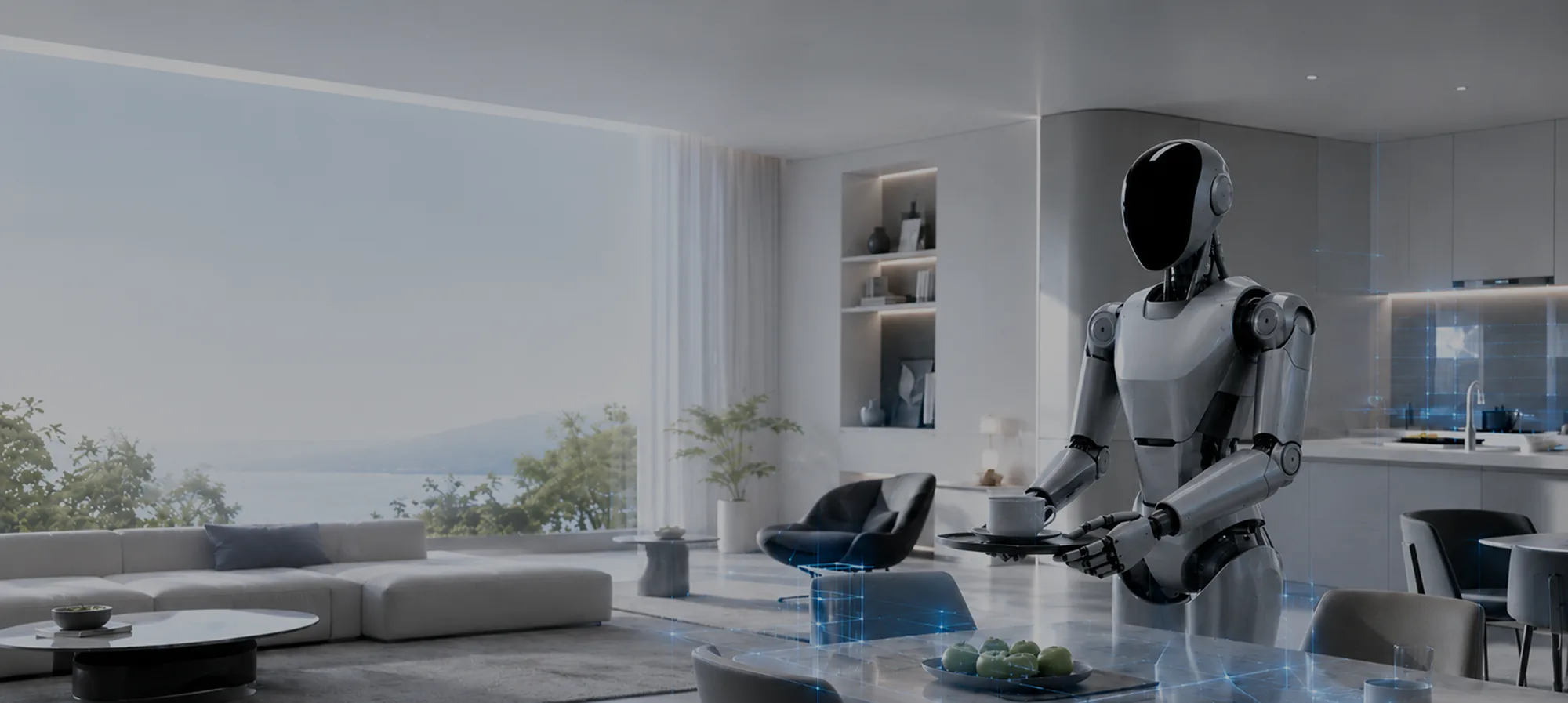
Home Embodied Robot Solutions
DEPTRUM pairs the Nebula 411 with HyperCube 3D SLAM for indoor mapping, continuous localization and navigation in home robots. Front and rear cameras extend coverage when the robot turns or reverses, even in compact bodies with limited compute.
Contact UsThe Challenge
A home is full of complex furniture and obstacles at different heights. The robot has to understand the 3D environment and keep confirming its own position as it moves between rooms. Blind spots when turning or reversing, plus a tight body and limited compute, make autonomous navigation even harder.
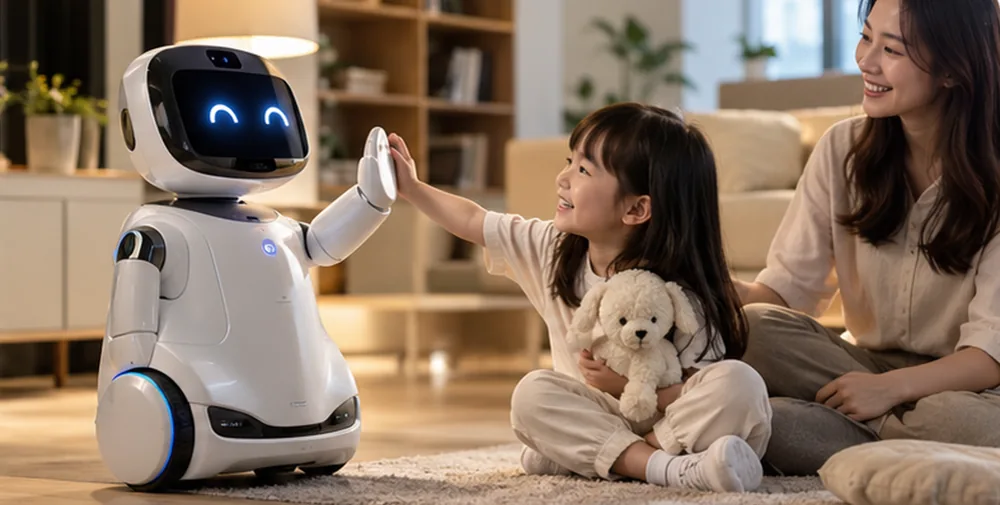
Complex spatial structure
Furniture and obstacles vary in height, so 2D outlines fall short
Cross-room localization
Continuous movement needs mapping and position estimation to run together
Blind spots when turning and reversing
A forward view cannot cover turns and reversing, so extra observation is needed
Limited space and compute
A compact body and limited compute demand a balance of performance and cost
Solution Architecture

User ScenarioHardwareDepth SDKApplication SDKHome Embodied RobotIndoor mobile platformApplication NeedsAvoidance · navigationNebula 411 · FrontForward-facingNebula 411 · RearRear-facingmToF Depth ProcessingmToF point cloudMultipath resistant · low motion blurHypercube SLAM3D mapping and positioningFront/rear point clouds · IMUTriggerFunction DeliveryData Flow* HyperCube: DEPTRUM point-cloud 3D SLAM
Solution Advantages
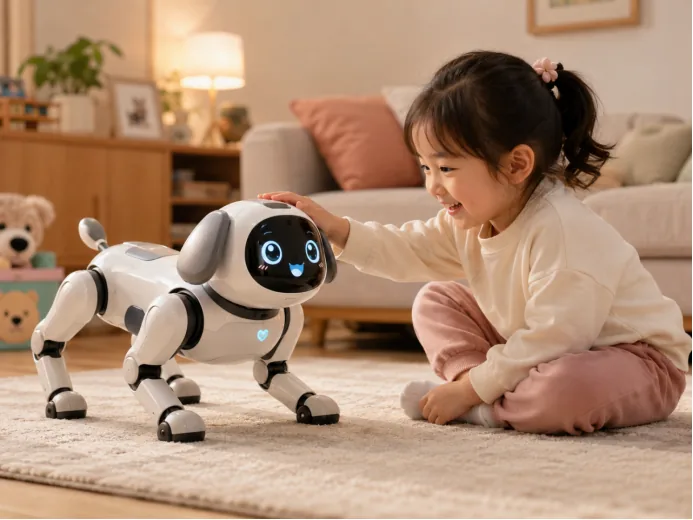
Compact integration
Miniature modules fit into a robot's exterior and internal structure and can be mounted front and rear, reducing the constraints sensing hardware places on industrial design.
Near and far sensing together
sToF and mToF are combined to cover both close obstacles and room-scale surroundings, providing the perception needed for 3D mapping, localization and autonomous movement.
Front and rear views complement each other
Front and rear cameras add observations of the environment, reducing blind spots when turning or reversing and giving more complete spatial data for movement in any direction.
Simpler hardware
Integrated depth perception supports mapping and obstacle avoidance, cutting sensor count and optimizing structure, wiring and hardware cost.
Low power, lightweight compute
Proprietary components and lightweight depth algorithms reduce power draw and compute load, leaving resources for interaction, task models and control.
Application Cases
Noetix Robotics
Powered by Deptrum's embodied 3D SLAM solution, delivering spatial mapping, localization & navigation, and intelligent obstacle avoidance
FAQ
How many cameras are needed for mapping and navigation?
The number depends on the robot's field of view, how it moves and the scope of its tasks. A single camera can support an appropriate mapping and avoidance setup, while front and rear cameras add observations when turning or reversing; the final configuration depends on the robot's structure and compute resources. We recommend one Nebula camera at the front and one at the rear with hardware exposure synchronization for better environmental adaptability.
How do multiple cameras work together?
Synchronization and timing settings organize multi-camera capture. Camera count, field-of-view overlap and mounting position all affect system performance, so optical interference, data synchronization, communication bandwidth and algorithm behaviour should be validated against the actual layout.
Does the solution support ROS2?
ROS2 integration support is available per project. Integration requires confirming the target ROS2 distribution, host platform, operating system and camera interface, and matching the corresponding drivers, data formats and software versions.
Related solutions
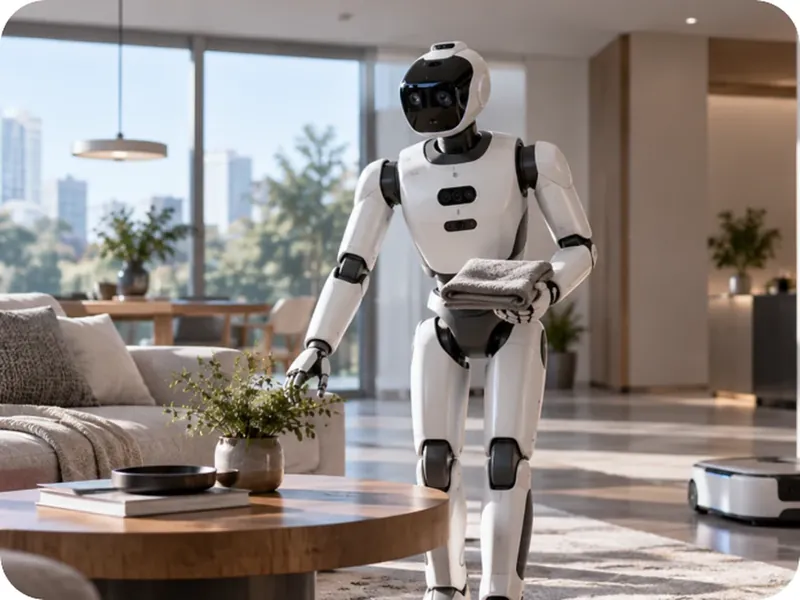
Spatial Perception
Captures spatial information about the surroundings, giving robots visual input for spatial modelling, obstacle assessment and autonomous movement
Learn more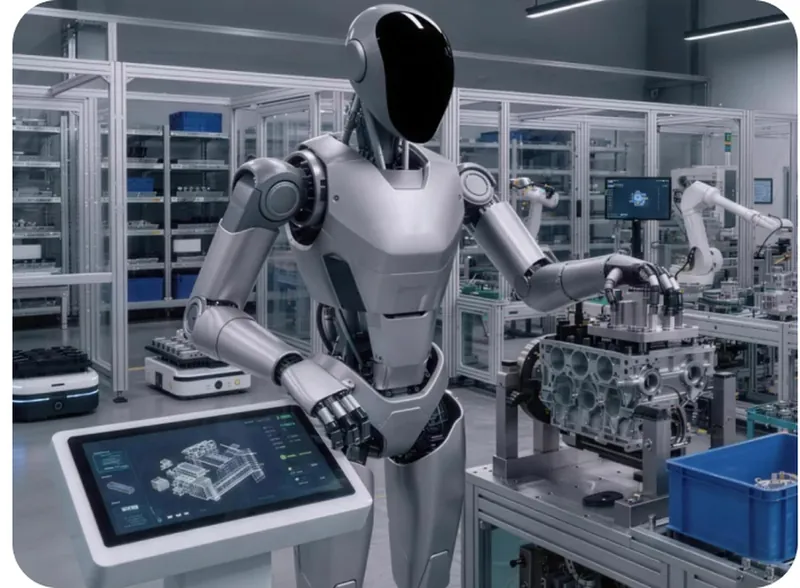
Manipulation Perception
Captures 3D detail of close-range targets, supporting robot arm localization, grasping and fine manipulation
Learn more