Manipulation Perception Solutions
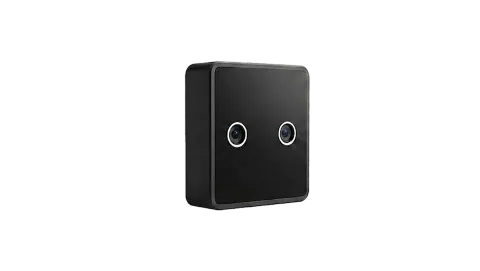
Based on Libra 1000, DEPTRUM uses AI stereo to improve depth completeness on transparent, reflective and textureless targets. The short baseline and global shutter suit wrist and end-effector mounting for target localization and grasp planning.
Contact UsThe Challenge
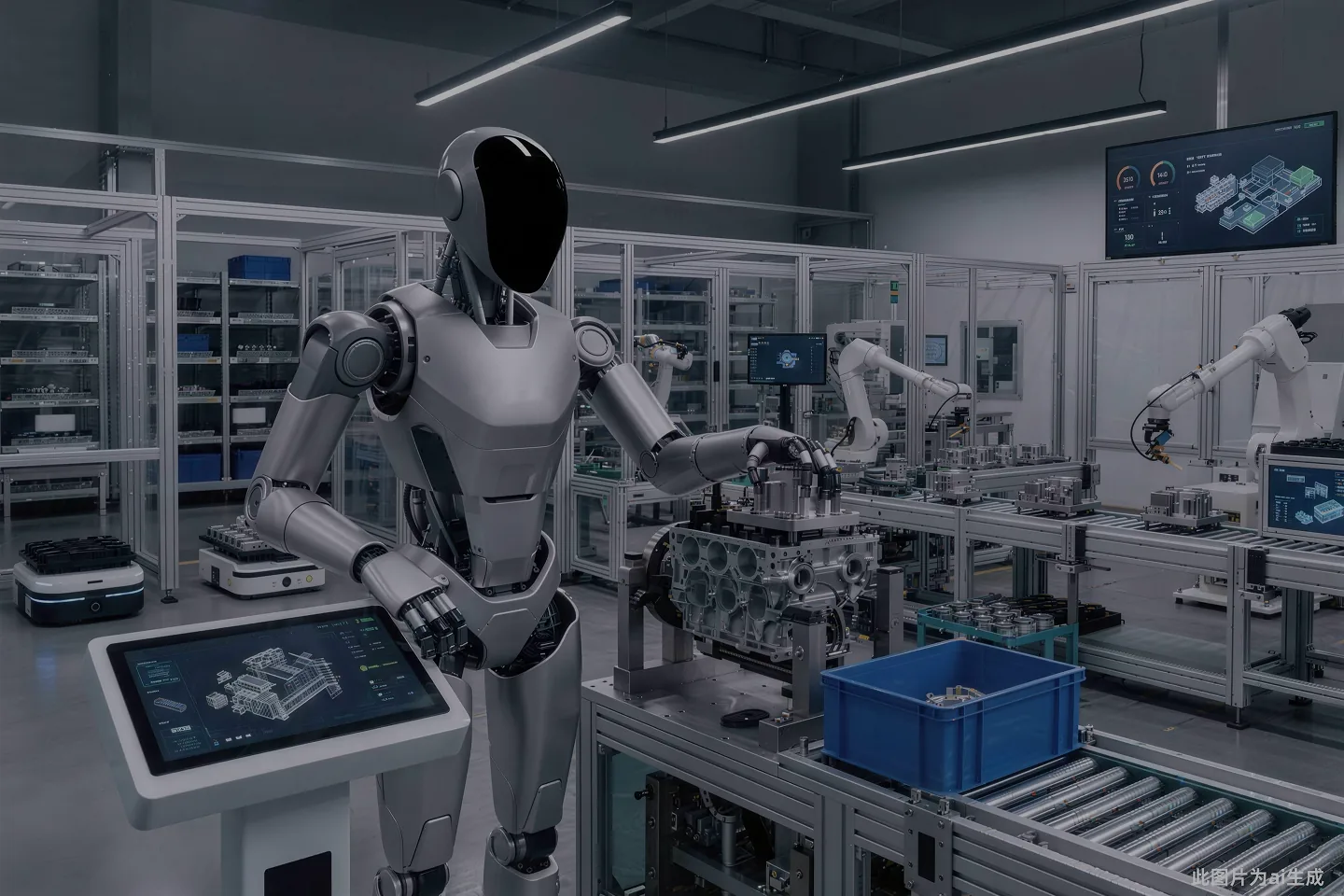
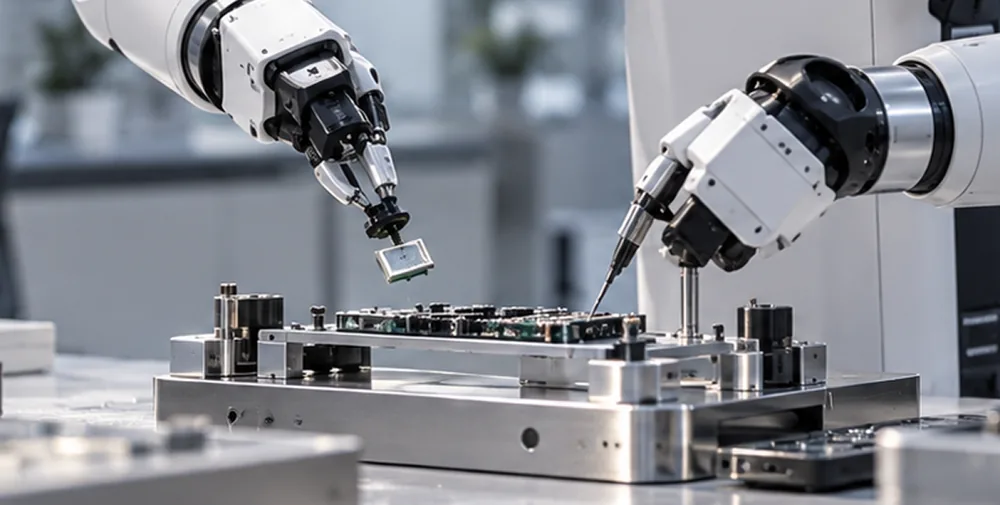
Robotic grasping and manipulation depend on clear, continuous near-field 3D data, yet transparent, reflective and low-texture targets easily lose depth. As the arm approaches, short-range blind zones, gripper occlusion and changing viewpoints further complicate observation, while the end effector leaves little room for camera placement.
Reconstruction on difficult surfaces
Transparent, reflective and low-texture targets easily lose depth
Short-range blind zone
The final approach is short, so targets slip into the sensing blind zone
Occlusion during motion
Wrist rotation and gripper occlusion keep changing what can be seen
Limited end-effector space
Camera and gripper are tightly packed, so position affects the view
Solution Architecture

User ScenarioHardware3D Algorithm SDKApplication SDKRobot CameraEgoLibra 1000Wrist: 20 mm stereo + IMULibra 3000Head: 65 mm stereoNova Ego KitHead: 3 stereo pairs; wrists: 2 cameras eachSynced Stereo Data + IMUAI Stereo ReconstructionDCPC, stereo point cloudsSimplex SLAMStereo mapping and positioningData AnnotationFinger joint extractionOffline SLAM 6 DoF trajectoriesfor head and handsShared ArchitectureData Flow Simplex SLAM: DEPTRUM stereo VSLAM
Solution Advantages
Short-baseline near-field layout
A 2 cm baseline suits wrist and end-effector mounting, capturing near-field targets in tight spaces to support approach and grasping observation.
Fine reconstruction up close
Depth reconstruction is optimized for short ranges, resolving surface, edge and geometric detail for target localization and grasp planning.
Perception of difficult targets
AI stereo improves depth on transparent glass, black objects and metal, reducing missing information in critical areas.
Flexible algorithm deployment
The camera streams images and the host completes depth resolution with the driver and algorithm SDK, making integration into a customer's algorithm stack straightforward.
Support for manipulation data capture
Combined GMSL transmission and SDK depth output give teleoperation and grasping capture the visual data they need, linked to robot arm motion.
FAQ
Which near-field tasks suit the AI stereo solution?
The Libra 1000 targets vision around a robot arm's wrist and end effector. A short baseline plus AI stereo reconstruction improve depth completeness on transparent, reflective and low-texture targets, supplying data for target localization, grasp planning and visual updates during manipulation.
Can it connect to Orin or Thor platforms?
The Libra 1000 currently offers a depth computing solution for Orin NX/AGX. GMSL connection also requires a matching deserializer, driver and system version; support status for Thor and other platforms should be confirmed against the actual hardware configuration.
Does the Libra 1000 compute depth on board?
In its standard configuration the Libra 1000 relies on an external compute platform for stereo depth reconstruction, which can be the robot's host controller or a companion compute unit. Selection should confirm the algorithm version, compute resources and data output requirements, and complete platform integration. A typical single frame takes about 13 ms on an NVIDIA Orin NX.
Related solutions
Spatial Perception
Captures spatial information about the surroundings, giving robots visual input for spatial modelling, obstacle assessment and autonomous movement
Learn more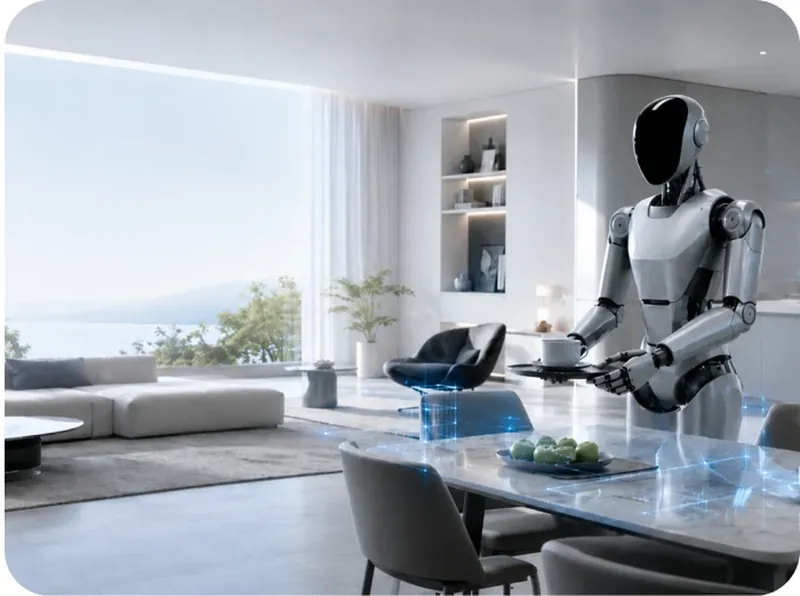
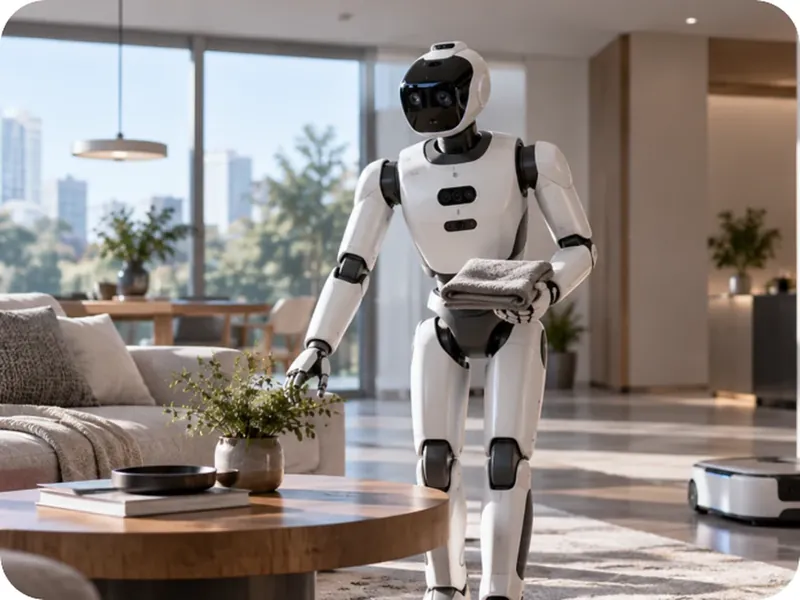
Home Embodied Robots
RGBD perception plus 3D SLAM for 3D mapping, localization, navigation and obstacle avoidance at home
Learn more